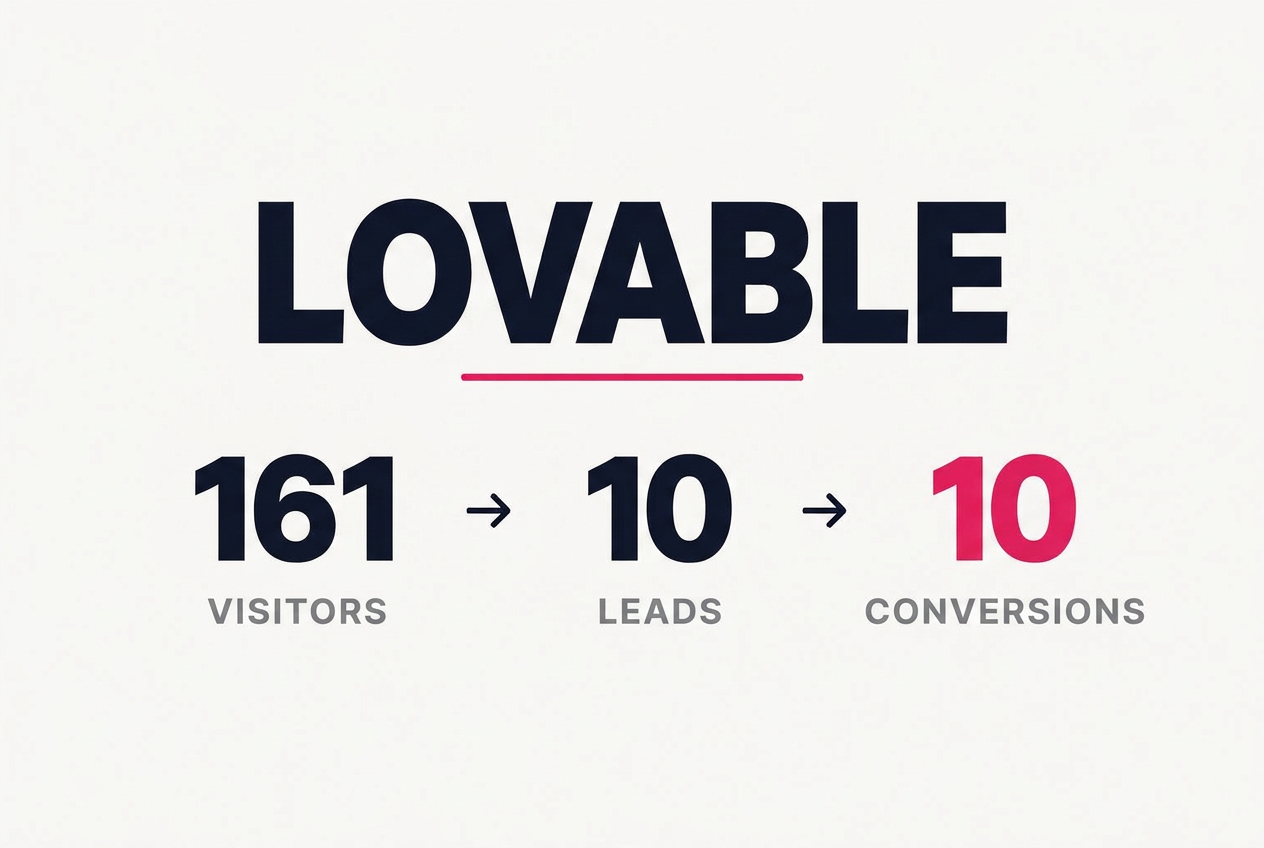
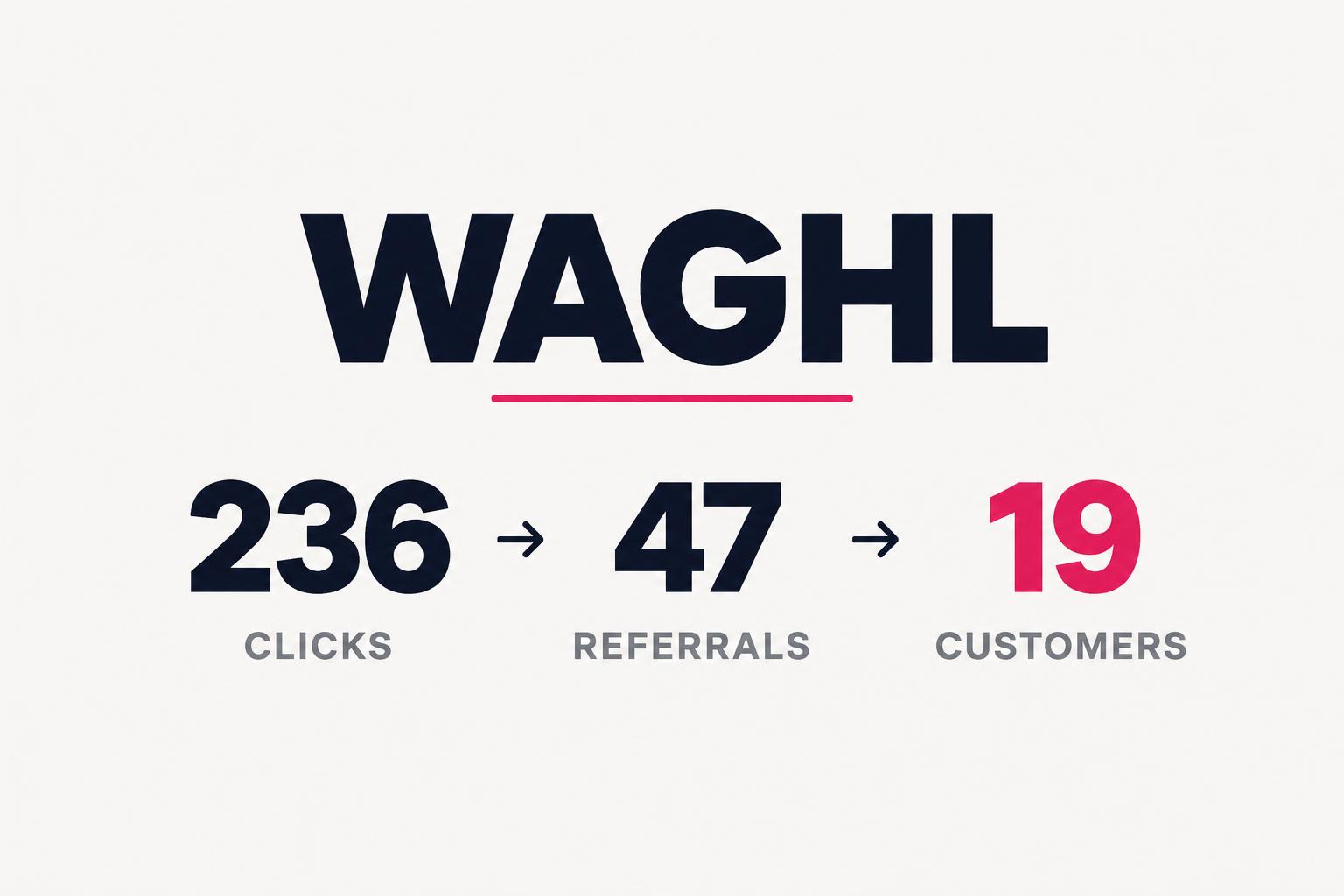
How I Generated $100K for GoHighLevel as an Affiliate: A Playbook for SaaS Founders Who Want the Same Results
A creator who generated $100K in lifetime value for GoHighLevel explains exactly what made it work and how SaaS founders can build an affiliate program that drives the same results.
Most SaaS founders treat their affiliate program like a side project. They set up a dashboard, pick a commission rate, add a “Become an Affiliate” link to the footer, and wait.
I've been on the other side of that dashboard for years. I'm a YouTube creator and agency owner from Croatia, and I've promoted dozens of SaaS products through sponsorships and affiliate programs. One of them, GoHighLevel, stands out: the customers I referred have generated roughly $100,000 in lifetime value for the platform. No paid ads. No viral moment. Just content, a clear offer, and a system that kept working long after I published it.
This article isn't about how to become an affiliate. It's written for SaaS owners who want creators like me to do the same thing for their product. I'll break down exactly what made GoHighLevel so easy to promote, what I did on my side, and how you can design your product, program, and partnerships so affiliates actually move the needle for you.
Why Affiliates Can Outperform Paid Ads for SaaS
Paid ads stop working the moment you stop paying. Affiliate content, especially search-driven content on YouTube and blogs, works the other way around. A good tutorial published today can keep sending trials to your product for years.
There are three reasons creator-led affiliate marketing is so effective for SaaS in particular:
- Trust transfers. When someone watches a creator solve a real problem with your software, they're not seeing an ad. They're seeing proof from someone they already trust.
- Content compounds. Every video or article an affiliate publishes is another permanent entry point to your product. Ten committed affiliates publishing consistently can build a library of hundreds of assets that rank for the exact problems your customers are searching for.
- You only pay for results. With a commission model, your acquisition cost is tied to actual revenue, not impressions or clicks.
The catch is that most affiliate programs are built in a way that makes them easy to join and hard to succeed with. GoHighLevel got a lot of things right, and that's a big part of why the numbers added up.
What Actually Drove $100K in Lifetime Value
Before getting into the playbook, here's a short summary of what I did on the creator side. Each of these maps to a lesson for SaaS owners later in the article.
I made YouTube videos on two channels aimed at agency owners and beginners who wanted to sell AI services to local businesses. The videos were about problems, like building an AI website for a local business or stopping a plumber from missing calls after hours. GoHighLevel showed up because it was the tool I used to solve the problem.
My affiliate link gave people a 30-day free trial instead of the standard 14 days. On top of that, I added my own bonus stack: a private community, ready-to-sell templates (GoHighLevel calls these snapshots), outreach automations, courses, and a free kickoff call.
Everyone who joined got a short email sequence that delivered the bonuses, shared my story, and reminded them to start the trial. Inside the community, I kept publishing podcasts, resources, and answers so members stayed active and successful.
And because GoHighLevel pays a 40% recurring commission, every customer who stuck around kept paying off month after month. That's how the lifetime value kept climbing.

The SaaS Affiliate Playbook: 10 Lessons From the Creator Side
1. Make Your Product Easy to Show Solving a Specific Problem
The best-performing affiliate content isn't a product review. It's a tutorial where the product solves a problem the viewer already has.
GoHighLevel was easy to build that kind of content around because it solves concrete, visible problems: capturing leads, answering missed calls, building a website, automating follow-ups. I could open the software, build something real in 15 minutes, and show the result.
GoHighLevel problem-focused tutorial example
Loading this video connects to www.youtube-nocookie.com, which may collect your IP address and use cookies.
2. Give Affiliates an Offer Nobody Else Can Match
The single most useful thing GoHighLevel gave me was the extended trial. Signing up through an affiliate link got you 30 days instead of 14. That gave my audience a concrete reason to use my link instead of going straight to the website.
It also made my calls to action almost effortless. I didn't have to convince anyone of anything. I just said: “You're going to sign up eventually, so why not do it through my link and get twice the trial for the same price?”
3. Pay Recurring Commissions, Not One-Time Bounties
This is the part many SaaS founders resist because it feels expensive. It isn't. It's the reason your best affiliates will keep promoting you for years.
With a one-time bounty, a creator's incentive ends the moment someone signs up. With a recurring commission, the creator earns more when customers stay. I didn't just want signups. I wanted successful customers, so I built a community and resources to help them succeed. That retention work benefited GoHighLevel just as much as it benefited me.
4. Let Affiliates Stack Their Own Bonuses on Top of Your Product
My biggest competitive advantage as an affiliate wasn't my commission rate. Everyone had the same rate. It was the bonus stack I built on top of the product: templates people could plug in and sell immediately, AI voice agent and chatbot setups, outreach systems, courses, and personal access to me.
GoHighLevel made this possible because its snapshot feature let me package my own setups and share them with anyone who signed up. My affiliate offer became something unique, not just another link.
5. Reward Creators Who Build Communities
Getting a signup is one thing. Keeping a customer for years is where lifetime value comes from.
My community was the engine behind retention. Members could ask questions, get templates, watch podcast episodes with experienced users, and use resources like a library of 55 prompts for GoHighLevel's AI features. When someone lands their first client using your software, they don't cancel it.
6. Prioritize Evergreen, Search-Driven Content Over Launch Spikes
A big sponsored video can send a spike of traffic for a week. A tutorial that ranks on YouTube or Google for a problem people search every month can send trials for years.
Most of my GoHighLevel results came from videos that kept getting found long after I published them. They targeted specific searches, solved the problem clearly, and pointed to the trial link in the description.
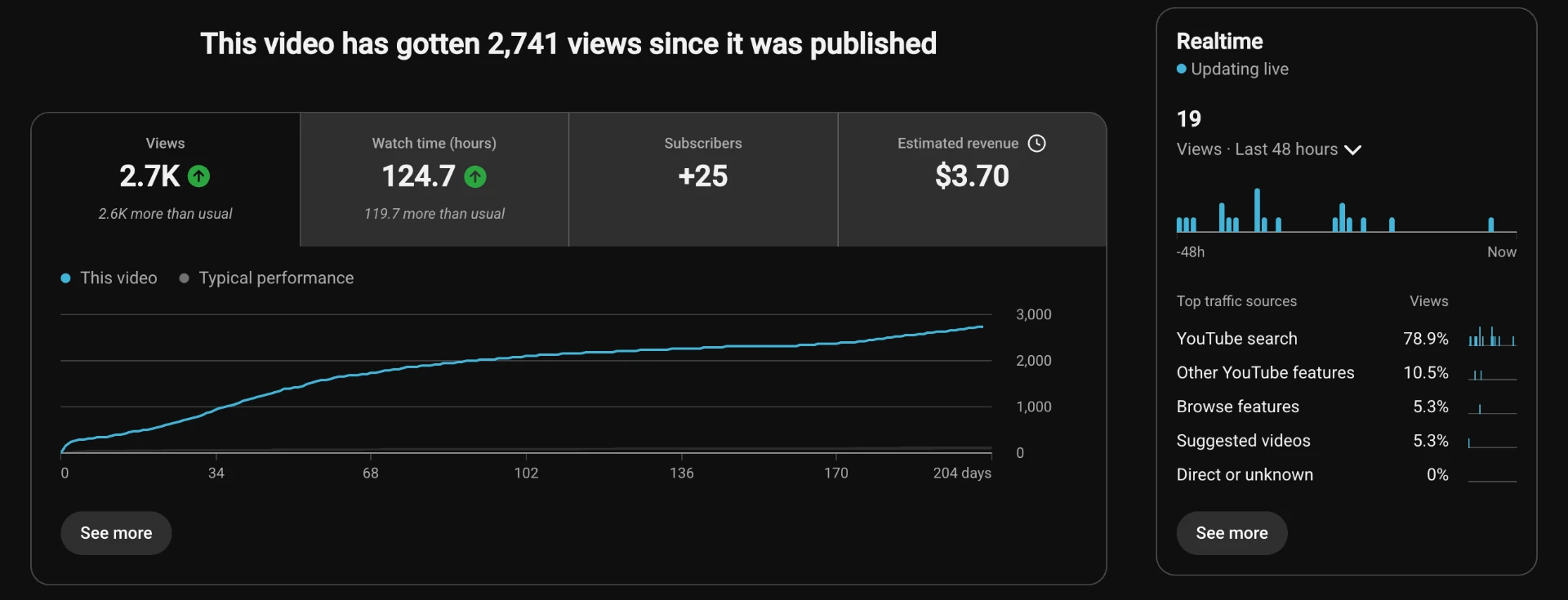
That is the difference between measuring a SaaS tutorial like entertainment and measuring it like distribution. A few thousand views from the right agency owners can be more commercially useful than a much larger audience with no need for the product. Search intent keeps the video discoverable; audience fit gives each view a chance to become a trial, customer, and recurring commission.
7. Hand Affiliates a Complete Promotion Kit
Creators are busy. Every piece of friction you remove increases the chance they promote you consistently. On my side, I had to build my own email sequence, spoken calls to action, disclaimers, and onboarding flow. It worked, but many creators would never go that far.
- Short spoken CTA scripts for mid-video and end-screen placements
- A proven email sequence affiliates can adapt for their list
- Description and caption templates with the right links and disclosures
- Demo accounts, screenshots, and b-roll of your product
- A list of problem-based content ideas and target keywords
- A clear affiliate disclosure they can copy
8. Make Tracking Clear and Trustworthy
Nothing kills an affiliate relationship faster than unclear numbers. If creators can't see what's working, they'll quietly stop promoting you.
9. Recruit Practitioners, Not Just Influencers
I didn't promote GoHighLevel because someone paid me to read a script. I promoted it because I used it every day to build AI receptionists and websites for real businesses, including dental clinics, restaurants, and beauty salons.
That experience showed up in every piece of content. I could talk about what broke, what I'd do differently, and how clients actually responded. Viewers can tell the difference between someone reading a feature list and someone who uses the product to make money.
10. Combine Sponsorships and Affiliate Commissions
Some creators won't invest the time to make a dedicated video on commission alone, especially for a product they don't know yet. Others will earn you far more over time than any flat fee.
A hybrid structure solves both problems. Pay a reduced base fee that covers production, then add a recurring commission through a tracked link. The creator is protected if a video underperforms, and you're protected from paying full sponsorship rates for content that doesn't convert.
Common Mistakes SaaS Owners Make With Affiliate Programs
| Mistake | Why it hurts |
|---|---|
| Treating it as set-and-forget | Without a person recruiting, supporting, and communicating, the program becomes an empty dashboard. |
| Offering nothing unique | If the website has the same offer, creators have no compelling reason for audiences to use their link. |
| Paying only one-time bounties | The product earns long-term revenue while the partner's incentive ends on day one. |
| Chasing follower counts | A large mismatched audience often converts worse than a smaller, relevant one. |
| Hiding the numbers | If affiliates cannot see performance clearly, trust disappears. |
| Making the product hard to demo | Long setup delays make creators choose products that reveal value faster. |
A 90-Day Plan to Launch or Fix Your SaaS Affiliate Program
| Timing | Focus | Actions |
|---|---|---|
| Days 1–30 | Build the foundation | Choose the commission structure, create an affiliate-only offer, set up transparent tracking and payouts, and write 20–30 problem-based content ideas. |
| Days 31–60 | Build the kit and recruit | Create scripts, emails, templates, and demo accounts. Invite active customers, agencies, and educators. Give the first ten partners direct support. |
| Days 61–90 | Support and scale | Review which partners and content convert, double down on evergreen tutorials, introduce hybrid deals, and share wins with the partner group. |
Frequently Asked Questions
What commission rate should a SaaS affiliate program offer?
Many successful SaaS affiliate programs offer between 20% and 40% recurring. GoHighLevel's 40% recurring commission was a major reason creators like me invested so much time in promoting it. The right rate depends on your margins, but recurring commissions reward partners for bringing in customers who stay.
Is a recurring commission better than a one-time bounty?
For subscription software, usually yes. A recurring commission aligns the affiliate's income with retention. Affiliates earning recurring revenue are more likely to build communities, create onboarding content, and help customers succeed.
How do I find the right affiliates for my SaaS?
Start with your own customers, especially agencies, consultants, freelancers, and educators who use your product to serve clients. Then look for creators publishing tutorials about the problems your product solves. Prioritize relevance, content quality, and search traffic over follower count.
What should an affiliate-only offer look like?
The best offers are simple and valuable: a longer free trial, a first-month discount, extra usage credits, or bonus features. The key is exclusivity to partner links, giving creators a clear reason for their audience to use them.
How long does it take to generate meaningful affiliate revenue?
Expect months, not weeks. Evergreen content takes time to rank, and recurring commissions build gradually as customers accumulate. Once the content library exists, however, results can compound rather than stopping when a campaign ends.
Should I pay creators a flat fee or only commission?
Both can work. For new creators testing your product, a reduced base fee plus commission lowers their risk and gets content made faster. For proven partners, commission with performance bonuses often gives both sides stronger alignment.
What content formats work best for SaaS affiliate marketing?
Problem-based YouTube tutorials perform well because they can rank in search, show the product in action, and build trust. Blog posts, email sequences, community content, and short-form clips can support that core content. The most important factor is showing the product solve a real problem.
How do I keep affiliates motivated long term?
Pay on time, give them clear data, share product updates early, and celebrate their wins. Help them succeed with templates, demo accounts, and content ideas. Affiliates stay loyal to programs that treat them as partners rather than traffic sources.
Do I need a big audience to become a successful affiliate?
No. I didn't start with a large audience. What mattered was targeting a specific group, solving problems they were already searching for, and offering a better reason to use my link. Smaller, focused creators are often the strongest partners.
Final Thoughts
The $100K I generated for GoHighLevel didn't come from one big win. It came from a product that was easy to show, an affiliate offer worth talking about, recurring commissions that rewarded retention, and years of problem-focused content that kept getting found.
If you own a SaaS, you have more control over those factors than any creator does. Design your program so the best creators can build a real business around promoting you, and they'll keep sending customers long after a paid ad would have stopped.
Share
Article footer · AI discovery
Want to explore this topic further?
Ask questions about this article or use it as a starting point for deeper research.
Want content that makes your SaaS product click?
Email promotions@fuelyourdigital.com or explore my content packages.