Lovable Case Study: One SEO-Driven Video, 10 Leads, 10 Conversions
One search-led YouTube video for Lovable, the AI app builder, sent 161 visitors through my link. 10 became leads—and all 10 converted. Here's why ranking for what builders actually search produces qualified traffic, not just views.
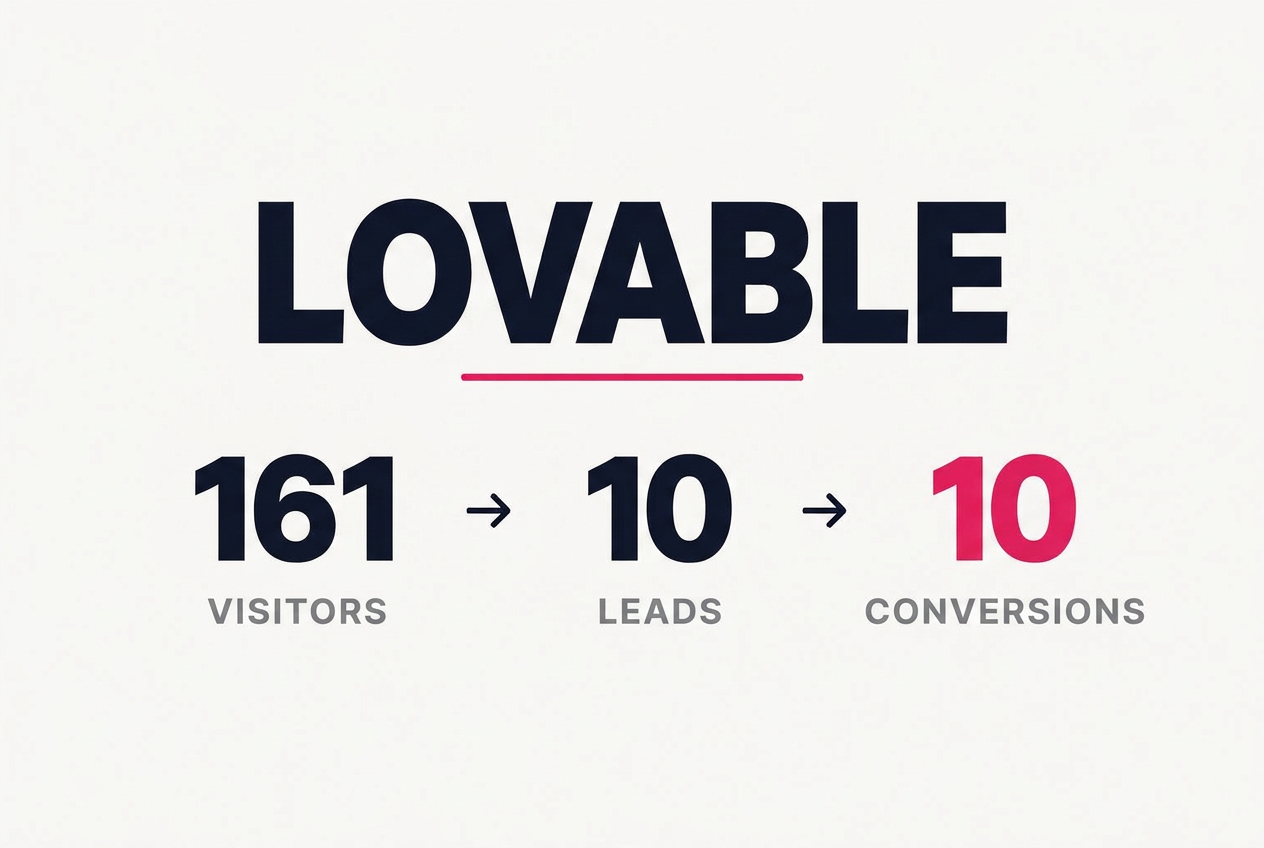
Lovable is an AI app builder: you describe what you want, and it builds a working web app you can edit and publish. I made one SEO-driven YouTube video about it. The affiliate dashboard shows 161 visitors, 10 leads and 10 conversions.
That last part is the interesting bit. Every lead the video produced converted. Ten out of ten. It's a small sample, but it's a clear example of what search-led content does well: it doesn't bring many people, it brings the right ones.
The Results: 161 Visitors, 10 Leads, 10 Conversions
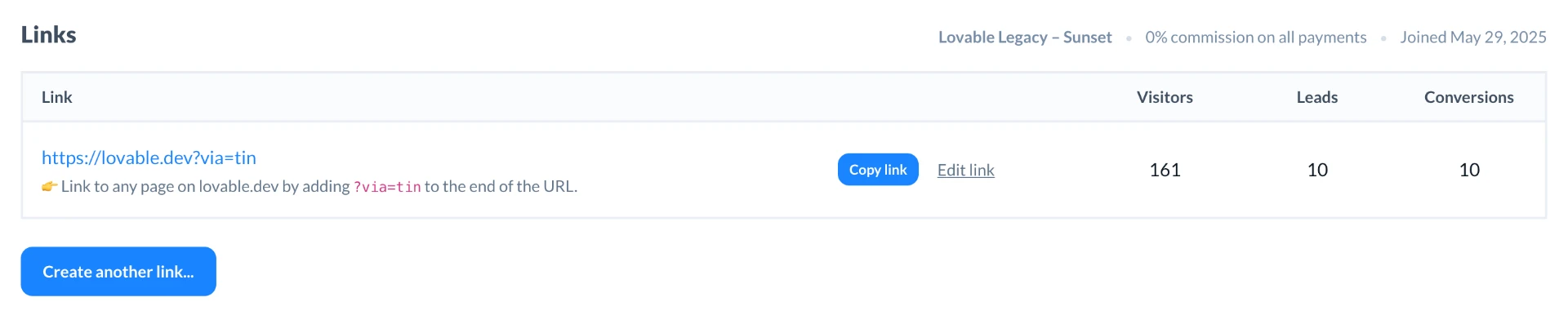
| Metric | Reported | What it means |
|---|---|---|
| Videos | 1 | One search-led YouTube video. |
| Visitors | 161 | People who arrived on Lovable through my link. |
| Leads | 10 | Visitors who signed up. |
| Conversions | 10 | Leads that converted, as counted by the affiliate program. |
About 6.2% of visitors became leads (10 of 161), and 100% of leads converted. With ten people, one fewer conversion would drop that to 90%, so the headline is "every lead converted in this sample," not "this method always converts 100%."
Lovable and the Person Searching for It
Lovable's ideal user isn't necessarily a developer. It's a founder, marketer or creator with an idea who doesn't want to hire a dev team to test it. That person doesn't search for a brand name—they search for the outcome: building an app, a website or an MVP with AI, without code.
That's the gap the video filled. Someone typing that kind of question into YouTube already wants to build something. They just need to see that it's possible, and how.
The SEO Strategy: Rank for the Builder's Question
The approach was the same search-first thinking behind my SEOBuddy case study: start with a question the ideal user actually asks, then make the video the most useful answer to it.
| Hype-led video | Search-led video | |
|---|---|---|
| Hook | "This AI tool is insane" | The exact problem the viewer searched for |
| Audience | Curious scrollers | People ready to build something |
| Lifespan | A spike, then nothing | Keeps ranking and collecting visitors |
| What it drives | Views and comments | Signups from people with a real project |
Title, description and the opening line all matched the search, so YouTube could understand what the video answered and viewers knew within seconds they were in the right place. YouTube's own guidance on how search works puts relevance and viewer satisfaction at the center—keywords alone don't do it.
The Video: Show the Build, Not the Hype
AI tools are easy to oversell. Viewers have seen plenty of "build a SaaS in 5 minutes" thumbnails. What earns trust is watching a real build happen, including the prompts, the edits and the result.
- Answer the search immediately: confirm what the viewer will be able to build by the end.
- Start from a plain-language idea: the kind of prompt a non-developer would actually write.
- Build on screen: show the app taking shape, including adjustments.
- Be honest about the process: iteration is part of it, and showing that sets realistic expectations.
- Show the finished result: a working app the viewer can picture making themselves.
- One next step: the link to try Lovable.
For more on structuring tutorial-style videos for AI products, see UGC for AI apps.
Why Every Lead Converted
I can't prove the exact reason—there's no controlled test here. But the pattern fits what search-led content usually does:
- Intent came first. Viewers arrived with a project in mind, not idle curiosity.
- The video pre-qualified them. By the time someone clicked, they'd watched the tool do the job they wanted done.
- Expectations were realistic. Showing the real process means fewer people sign up, look around and leave disappointed.
That's also why the visitor-to-lead rate (about 6%) is lower than the lead-to-conversion rate. The video filters on the way in. Fewer people sign up—but those who do mean it.
How It Compares to My Other Single-Video Campaigns
| WAGHL | Apify | Numverify | Lovable | |
|---|---|---|---|---|
| Product | GoHighLevel plugin | Scraping platform | Phone validation API | AI app builder |
| Approach | Search-led problem–solution | Long-form walkthrough | Pain-first use case | Search-led build tutorial |
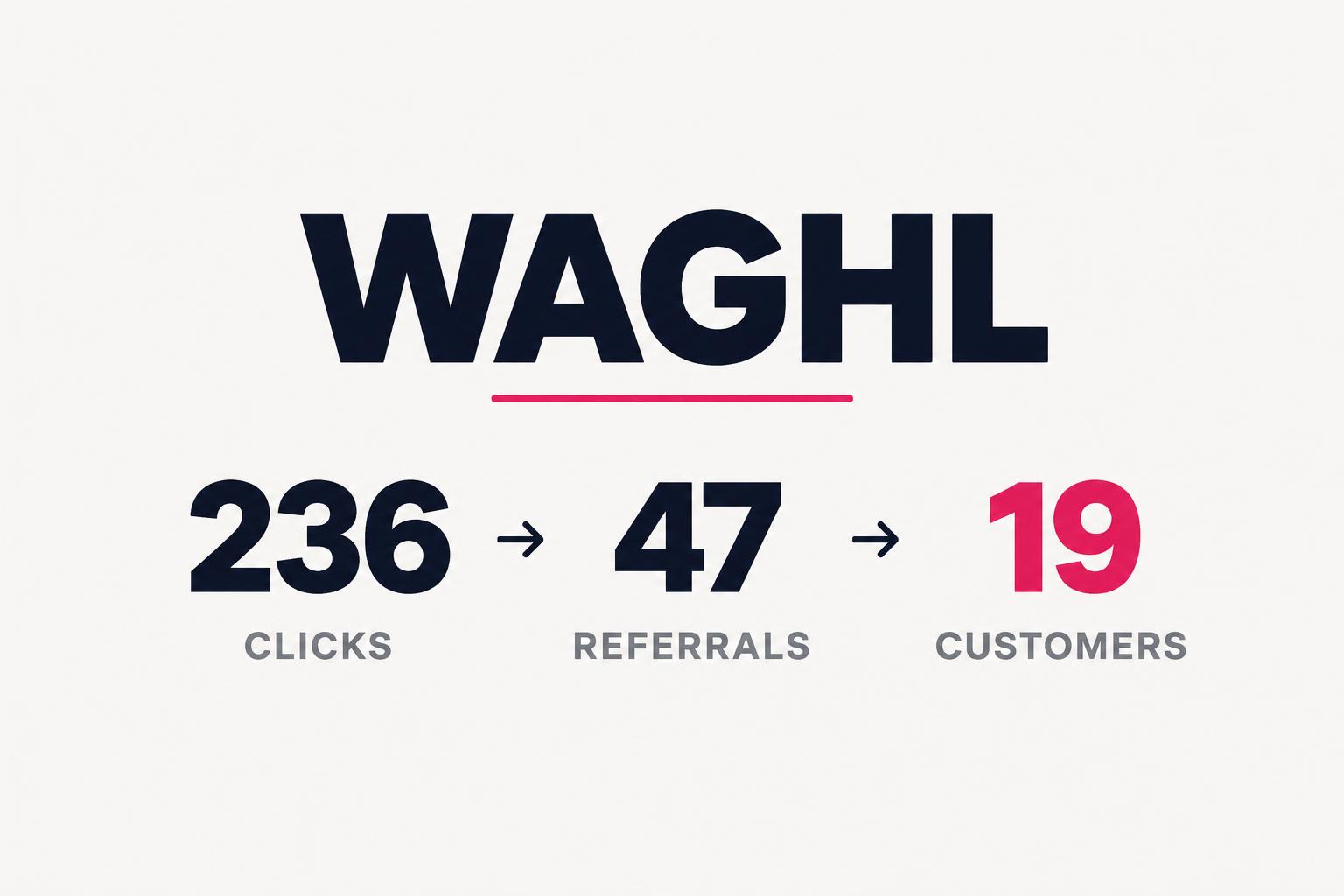
| Top of funnel | 236 clicks | 97 clicks | 47 clicks | 161 visitors |
| Signups | 47 | 17 | 8 | 10 |
| Paying / converted | 19 | 1 | 2 | 10 |
See the full stories in the WAGHL, Apify and Numverify case studies.
Lessons for AI Tool Founders
1. Target the outcome people search for, not your brand
New users don't know your name yet. They know what they want to make. Rank for that.
2. Real builds beat bold claims
Showing the process—imperfections included—attracts people who'll actually stick with the product.
3. Judge SEO content by lead quality
161 visitors is modest. Ten conversions from ten leads is the number that matters.
4. One good video is an evergreen asset
A ranking tutorial keeps working after launch week. It's the cheapest kind of reach to keep. More in my SaaS video marketing guide.
Frequently Asked Questions
What is Lovable?
Lovable is an AI app builder that turns plain-language prompts into working web apps you can edit and publish. See lovable.dev for current features and pricing.
Did 100% of leads really convert?
The dashboard shows 10 leads and 10 conversions for my link. That's a small sample, and the program's exact conversion definition isn't shown, so I don't present it as a repeatable rate.
What keyword did the video target?
The exact keyword isn't disclosed here. The strategy was to rank for the kind of question someone asks when they want to build an app with AI.
How much revenue did it generate?
Revenue isn't shown in the screenshot, so I'm not reporting a figure.
The Takeaway: Fewer Visitors, Better Ones
One SEO-driven video for Lovable sent 161 visitors, and all 10 leads converted. Put your product in front of people already searching for what it does, show it honestly, and the traffic that arrives is traffic that buys.
Share
Article footer · AI discovery
Want to explore this topic further?
Ask questions about this article or use it as a starting point for deeper research.
Want content that makes your SaaS product click?
Email promotions@fuelyourdigital.com or explore my content packages.