YouTube SEO for Startups: A Lean 90-Day Playbook
How early-stage startups can win YouTube search without an audience or a video team: choosing searches you can rank for, a ten-video plan, title and chapter basics, founder time budgets and what to measure.
YouTube SEO for startups is not about going viral. It is about getting one useful video in front of a person who is searching for exactly the problem your product solves, then sending them somewhere they can act. You do not need subscribers for that. Search results rank videos, not channels, so a brand-new channel can be found on day one if the video answers a specific question well.
I make YouTube tutorials and UGC for software companies. The plan below is an editorial starting point, not an official YouTube rule or a guaranteed result. Updated November 10, 2026.
Why YouTube SEO Suits Early-Stage Startups
| Constraint | Why YouTube search helps |
|---|---|
| No audience yet | Search viewers arrive with intent; they do not need to know you |
| Small budget | A useful tutorial can keep being found long after it is published, unlike a paid ad |
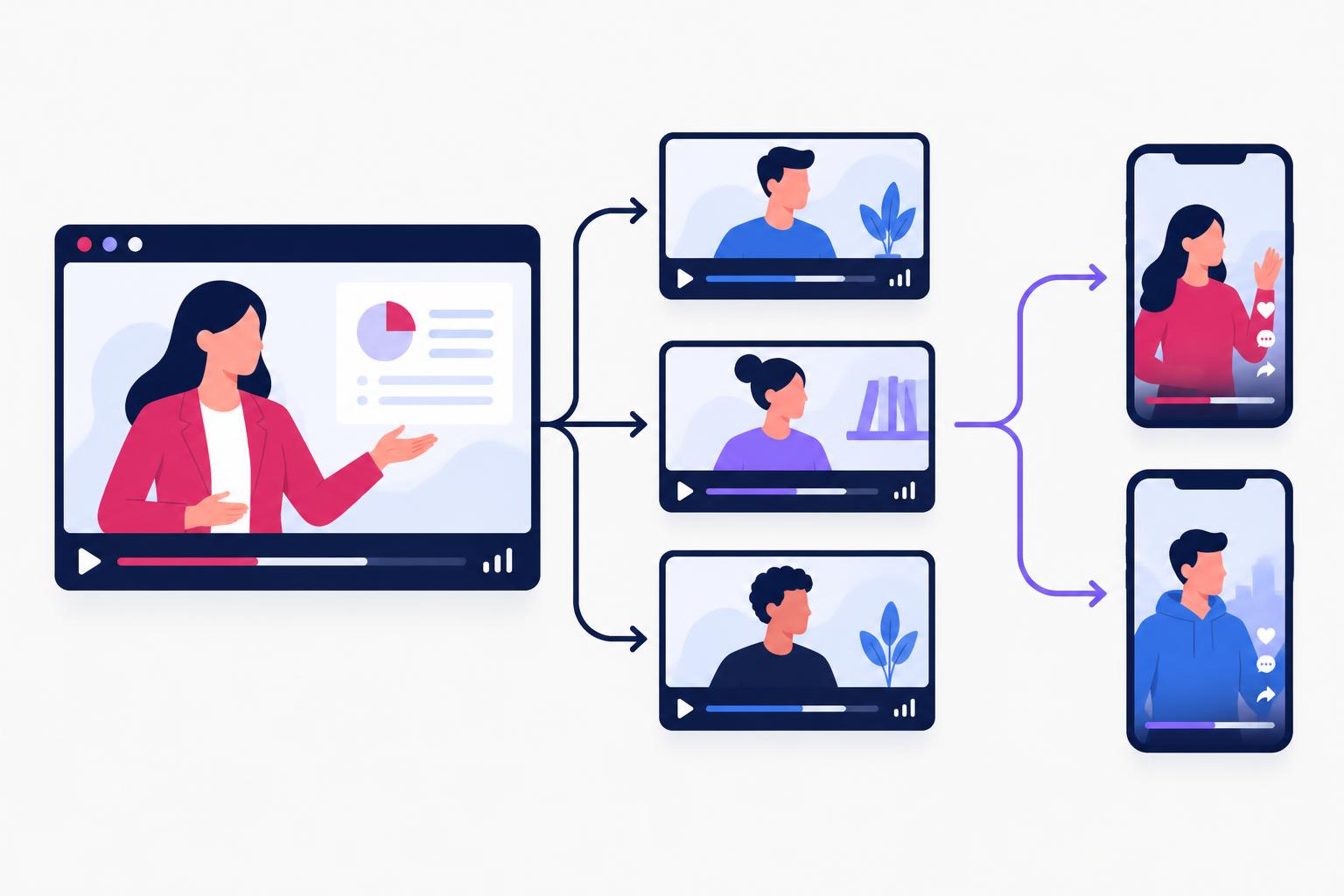
| Founder time is scarce | One recording can become a video, a help-doc embed, Shorts and sales follow-ups |
| Low brand trust | Seeing the real product working is stronger proof than a landing page claim |
| Niche product | Specific, low-competition searches are easier to win than broad ones |
One real example from my own work: a GoHighLevel tutorial I made reached 2,741 views over 204 days, with 78.9% of views coming from YouTube Search. That is not a viral number. It is a steady stream of people looking for one specific how-to, which is exactly the kind of traffic a startup wants.
Read the full method in YouTube SEO for SaaS
When YouTube SEO Is Not Worth It Yet
Be honest before you commit. YouTube search is weak when nobody searches for the problem yet (a truly new category), when the product changes every week so tutorials go stale, when there is no clear next step for a viewer, or when you sell only to a handful of enterprise accounts who will never search YouTube. In those cases, founder-led LinkedIn, direct outreach or a single sales demo video may pay back faster.
For channel choice, see founder-led marketing
Finding Searches a Startup Can Actually Win
Skip broad terms like “project management software”. Big brands own them. Look for searches where the viewer has a job to do and the competition is thin.
- How-to tasks: “how to automate invoice reminders”, “how to track churn in Stripe”.
- Integration searches: “[tool A] + [tool B] integration”, where your product connects or replaces a workflow.
- Alternatives and comparisons: “[competitor] alternative” and “[A] vs [B]”, kept fair and accurate.
- Problem searches: the exact words customers use on sales calls and support tickets.
- Your own brand: “[product] tutorial” and “[product] review” — someone will search these once you have users.
Type each idea into YouTube search and read the autocomplete suggestions. Then look at the top results: if they are old, long-winded, or do not show the actual steps, that is an opening. Ask your sales and support team which questions repeat; those are often the best video topics nobody has filmed.
Need topic ideas? Start with 30 YouTube video ideas for SaaS
Your First Ten Videos
| # | Video | Search intent |
|---|---|---|
| 1–3 | Tutorials solving the three most common problems your product fixes | Problem-aware buyers |
| 4–5 | Integration walkthroughs with tools your buyers already use | Workflow searchers |
| 6 | A fair comparison against the obvious alternative | Evaluating buyers |
| 7 | A full product walkthrough, start to first result | Brand and trial users |
| 8–9 | Answers to the top two sales objections | Late-stage buyers |
| 10 | Founder video: why you built it and who it is for | Trust and landing pages |
Each video should solve one problem completely. Start with the result in the first 15 seconds, show the steps on screen, and mention your product where it genuinely does the job — not as a forced ad break.
Titles, Thumbnails, Descriptions and Chapters
Before you hit publish
6 items still to confirm.
YouTube says its search ranking considers relevance, engagement and quality. You cannot fake those with tags. Clear titles help the right people click; a video that actually solves the problem keeps them watching.
Lean Production for Small Teams
You do not need a studio. A decent USB or clip-on microphone, a clean screen recording at a readable zoom, and a face cam for the intro are enough. Batch-record three or four videos in one session, keep each one to the length the task needs, and edit out dead air rather than adding effects. If the founder is uncomfortable on camera, a voice-over tutorial or a hired creator works too.
If you want help producing it, see how to start a YouTube channel for your SaaS
A 90-Day YouTube SEO Plan for Startups
| Weeks | Focus | Output |
|---|---|---|
| 1–2 | Collect questions from sales, support and search; set up channel and links | Topic list of 20, ranked by intent |
| 3–6 | Record and publish videos 1–5 | One video per week, plus Shorts cut from each |
| 7–10 | Publish videos 6–10; embed tutorials in help docs and onboarding emails | Ten searchable videos |
| 11–13 | Review Search traffic and signups; refresh weak titles and thumbnails | A decision: double down, adjust or pause |
Search traffic often builds slowly, so judge the experiment on whether the right people are finding the videos, not on week-one views.
Turn each long video into short clips with YouTube Shorts for SaaS
What to Measure
In YouTube Studio, check the traffic-source report for YouTube Search, the search terms people used, impressions click-through rate and average view duration. Then follow the click: use UTM-tagged links in descriptions so your analytics can show visits, trials and demos from each video. Ask “how did you hear about us?” on signup — YouTube often influences buyers who never click a link.
For buyer-group and sales-handoff tracking in B2B, read YouTube SEO for B2B SaaS
Common Startup Mistakes
- Publishing company news or launch hype no one searches for.
- Clever titles instead of the words people type.
- Long intros before showing the result.
- Tiny, unreadable screen recordings.
- No link or next step for an interested viewer.
- Stopping after three videos because views are low in month one.
YouTube SEO for Startups: Frequently Asked Questions
Do I need subscribers to rank on YouTube?
No. Search results rank individual videos. A new channel can appear for specific searches when the video matches what people are looking for.
How long does YouTube SEO take for a startup?
It varies by topic and competition. Plan for at least three months and ten videos before judging, and treat any timeline as an estimate, not a promise.
How long should startup YouTube videos be?
As long as the task needs and no longer. Many tutorials land between 4 and 12 minutes; a quick fix can be shorter.
Should the founder be on camera?
It helps trust, especially early, but it is not required. A clear screen-recorded tutorial with a good voice-over can rank just as well.
Should a startup run YouTube ads instead?
Ads buy reach immediately; search videos keep working after you stop paying. Many startups use organic tutorials first, then put budget behind the ones that already convert.
Sources and Further Reading
- YouTube: How YouTube search works
- YouTube Help: Add chapters to your videos
- YouTube Help: Traffic sources in YouTube Analytics
- Google Analytics: Campaign URL builder
- UGC for YC startups
A startup does not win YouTube by being loud. It wins by answering the question a buyer typed, better than anyone else bothered to.
Share
Article footer · AI discovery
Want to explore this topic further?
Ask questions about this article or use it as a starting point for deeper research.
Want content that makes your SaaS product click?
Email promotions@fuelyourdigital.com or explore my content packages.