SaaS UGC, YouTube SEO & Affiliate Marketing: My Interview With Vova Even
My conversation with Vova Even on connecting buyer-intent YouTube videos, UGC ads, creator partnerships and a landing page that helps visitors take the next step.
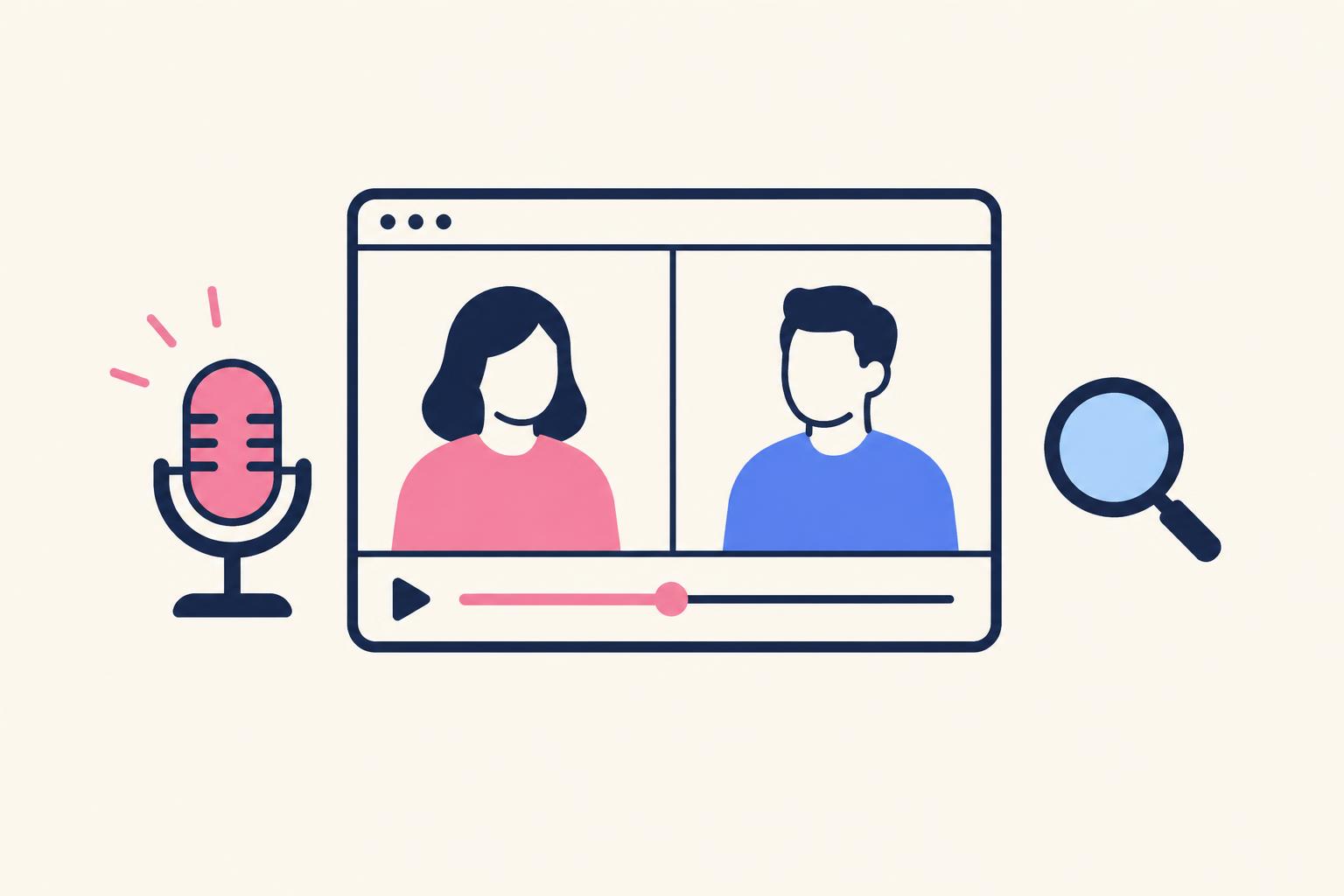
I sat down with Vova Even to discuss how software companies can work with creators across YouTube SEO, UGC and affiliate marketing. The video is titled “How He Made $100K Promoting Software | YouTube SEO, UGC & Affiliate Marketing.” Rather than treating a video as an isolated asset, we talked about the chain around it: the viewer’s problem, the product demonstration, the offer and the page they reach after clicking.
This interview is useful for SaaS founders deciding where creator content fits, as well as creators who want to understand the commercial side of software partnerships. Vova brought his own experience in the Amazon software and affiliate space, while I shared my experience producing search-led software videos and UGC creative. Here are the points I would revisit before planning a campaign.
Watch the full interview with Vova Even
How He Made $100K Promoting Software | YouTube SEO, UGC & Affiliate Marketing
Loading this video connects to www.youtube-nocookie.com, which may collect your IP address and use cookies.
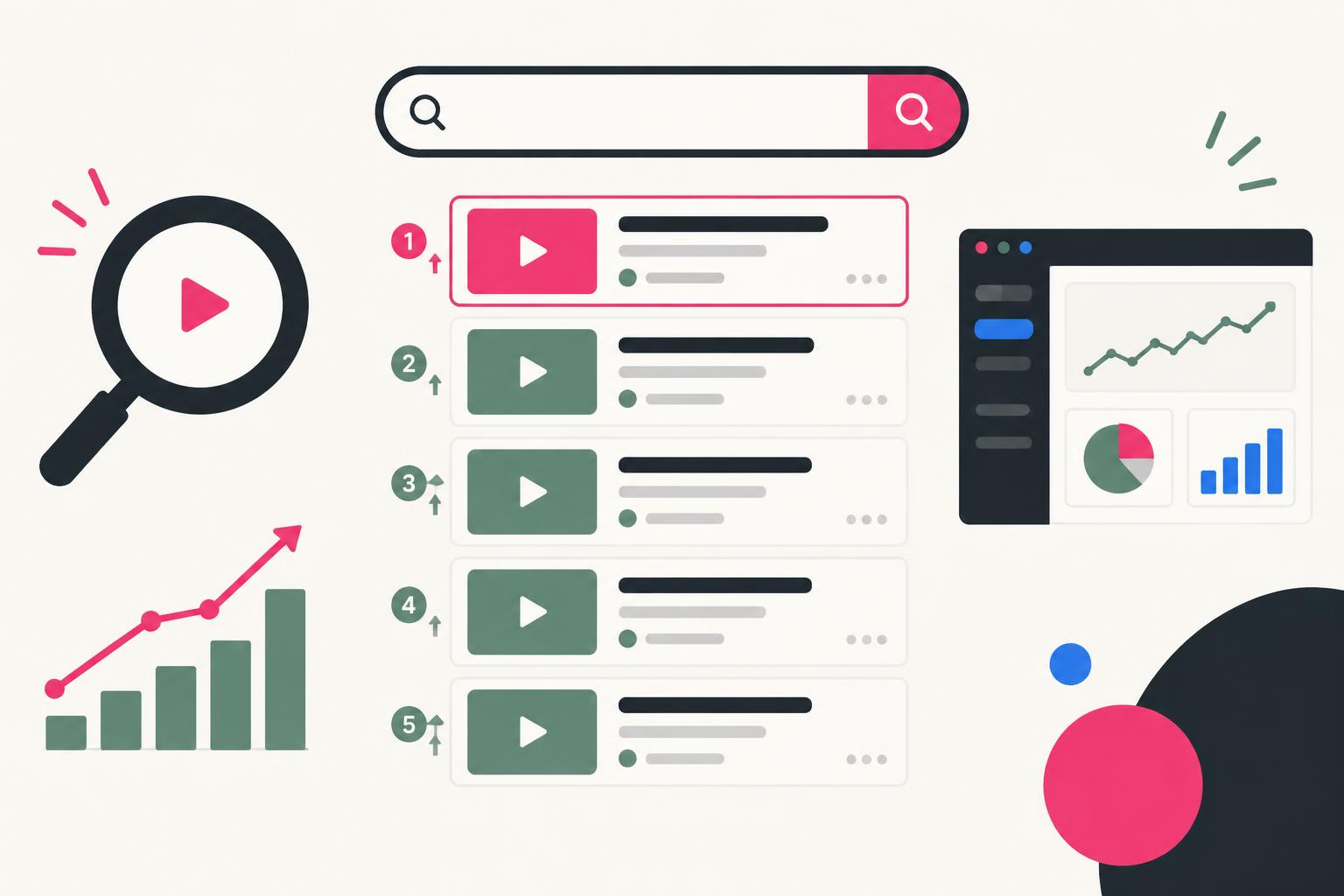
YouTube SEO meets a viewer with an existing problem
We used a simple example: a real estate agent searching for a CRM. That query already tells the creator something important about the viewer’s task. A video answering it can explain a specific workflow, compare relevant options and show where a product fits. It is a different starting point from an ad shown to someone who has not asked for that information.
Reviews, comparisons and “best tool for this role” videos were recurring themes. They work as useful content when they actually help the viewer evaluate a decision. The title and thumbnail should communicate the question you answer, but the video still has to deliver. A strong promise with a vague demo does not create a trustworthy recommendation.
I described how some software videos can continue attracting relevant viewers after publication. That does not mean every keyword is evergreen or every upload will rank. Software changes, competitors improve their coverage and buyer expectations shift. The practical approach is to build a useful library and revisit important videos when the product or recommendation changes.
UGC and search-led videos have different jobs
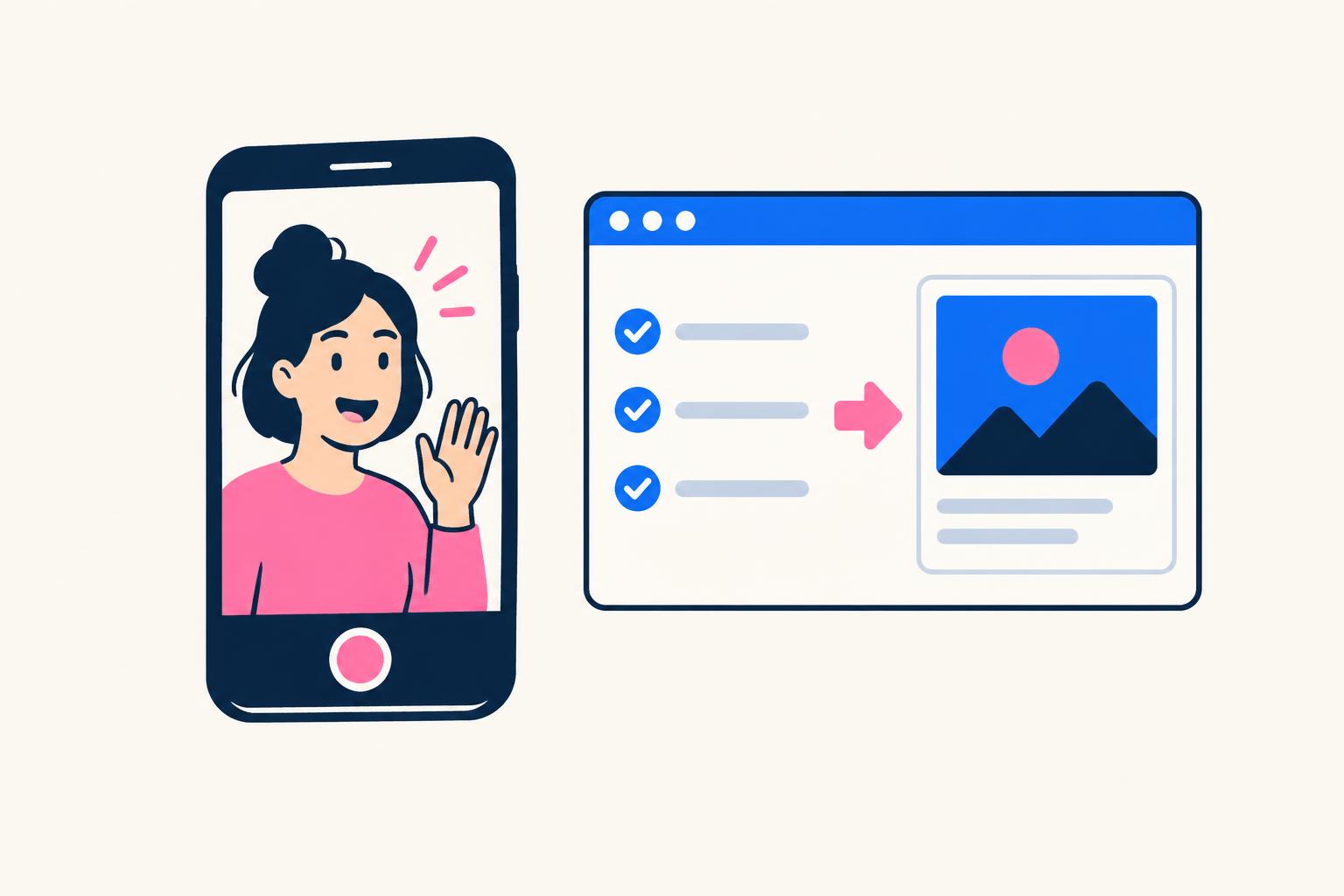
Search-led content answers an existing query. UGC creative often has to interrupt a feed and earn attention before explaining the product. In the interview, we discussed talking-head videos, screen recordings, problem–solution ads, testimonial-style videos and motion graphics. The shared principle was making the software understandable without making the delivery feel like a disconnected corporate presentation.
For a software ad, the opening should identify a relevant frustration and the demonstration should connect to it. If the hook is about managing incoming emails, show the part of the product that helps with that task. Avoid switching from a highly specific problem to a generic tour of every feature. A clear next step then gives the interested viewer somewhere appropriate to go.
We also discussed provocative and negative hooks. Treat that as a creative idea to test, not permission to invent claims or shame viewers. A surprising statement needs an honest explanation. Keep comparisons fair, avoid unsupported performance promises and check the advertising rules that apply to the product and channel.
The landing page is part of the video’s outcome
One of the most important parts of our conversation was what happens after the click. A good video can attract interest, but it cannot fix a confusing offer, an unclear trial or a page that fails to show the product. If visitors do not understand what they get and why they should take the next step, more creative volume may simply send more people into the same friction.
I shared a personal example of traffic that did not translate into the expected conversions. That anecdote was not a controlled experiment proving one cause. The useful lesson is to review the whole journey: does the page continue the promise from the video, explain the software visibly and make the trial or demo easy to evaluate? Vova also brought up demo accounts as a way to let visitors explore a product before committing.
- 1
Match the promise
Use the same audience problem in the video and the destination page. Do not send a specific use-case ad to an unrelated generic offer.
- 2
Make the product visible
Show a relevant software walkthrough or output. A visitor should understand what they would actually do with the tool.
- 3
Clarify the next step
Explain whether the action is a trial, demo or purchase, with accurate terms and a useful reason to proceed.
- 4
Review meaningful outcomes
Track relevant clicks, qualified trials and purchases separately. A click or attractive engagement rate does not establish revenue.
Creator partnerships need more than a commission link
Vova and I discussed how payment structures affect a creator’s willingness to keep producing content. A production fee, an affiliate component and recurring commissions are different incentives. There is no single arrangement that suits every software company or creator. Agree what is being paid for and what depends on tracked customer activity.
The interview includes my account of earning more than $100,000 in GoHighLevel affiliate commissions. That is my personal claim in the conversation, not an independently audited total here. It is not the same as $100,000 in company revenue, and it is not a typical-result promise. I would not use that figure to forecast what another creator or campaign will earn.
Vova also shared an experience of a recurring commission arrangement changing. His broader point was to avoid making a business completely dependent on one partner. For creators, review attribution windows, payout conditions and whether terms can change. For software owners, communicate changes clearly and consider how they affect the people who have invested in promoting the product.
Give creators the context to do good work
We talked about the value of useful briefs, accessible brand assets and ongoing communication. A creator needs more than a login and a request to “make it viral.” Explain the customer, the use case, what can be shown publicly and what claims must be avoided. Give access to a suitable demo environment rather than expecting the creator to navigate confidential customer data.
Campaign learnings should also flow back to the creative process. Keep a record of which openings and demonstrations were tested, what happened and what the conditions were. Use that evidence to propose new variations. AI can help organize a brief or draft ideas, but it does not turn an unsupported statement into product proof.
Near the end, we discussed David Ogilvy’s “Ogilvy on Advertising” and the importance of research and storytelling. The enduring idea is to know the customer well enough to explain why the product matters. Vova’s suggestion of “I tried” videos also fits that principle: genuine experience, including limitations or failure, can be more useful than an unqualified endorsement.
My takeaway: connect the content to the whole journey
Do not choose between UGC and YouTube SEO as though one is automatically the winner. Choose the job the content needs to do. Use a search-led video to answer a real buying question, an ad to introduce a relevant problem and a clear destination to help interested visitors evaluate the product. Then judge the work using the evidence available, not the confidence of the headline.
Share
Article footer · AI discovery
Want to explore this topic further?
Ask questions about this article or use it as a starting point for deeper research.
Want content that makes your SaaS product click?
Email promotions@fuelyourdigital.com or explore my content packages.